
ADS-B
About once a second
The aircraft's avionics fix its position from satellite navigation and broadcast it with other information, about once a second, says the FAA's pilot manual.
See the numbersWHAT THE AVIATION GUIDANCE SAYS
That moving dot on a flight map is often a plane talking about itself.
With ADS-B, an aircraft works out its own position from satellites and broadcasts it, along with other details, about once a second. Older radar still matters, and four-digit squawk codes carry short, important messages.

DETECT and be detected
THE SHORT ANSWER
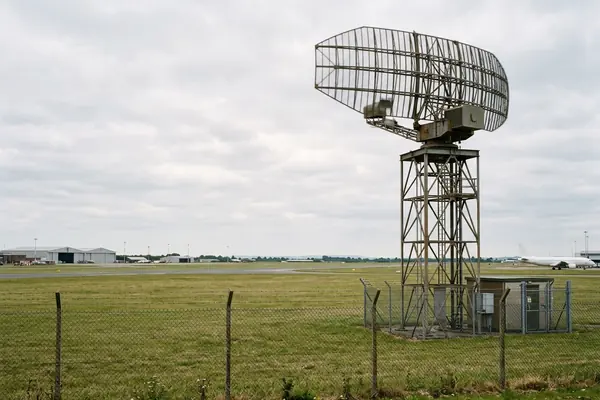
Radar bounces signals off aircraft.
ADS-B lets the aircraft say where it is.
ADS-B
The aircraft's avionics fix its position from satellite navigation and broadcast it with other information, about once a second, says the FAA's pilot manual.
See the numbersRADAR
Primary radar times radio waves reflected off an aircraft. Secondary radar relies on the aircraft's transponder replying with a code.
Decode a squawkUK SKIES
The UK CAA calls these tools electronic conspicuity. They add to the basic rule of see and avoid, and a UK-wide requirement is being consulted on.
What is changingA QUICK SQUAWK CHECK
A squawk is the four-digit code a transponder sends. Pick one to see what it tells air traffic control. The bar shows how urgent it is.
From the US Aeronautical Information Manual. Local codes for everyday flights differ between countries.
TWO NUMBERS WORTH KNOWING
One figure on how often a position updates,
one on how many codes there are.
≈ 1 a second
ADS-B position updates
The FAA says ADS-B updates nominally once a second. Traffic information built from ground radar updates roughly every 3 to 13 seconds, depending on the radar.
UPDATE RATE · FAA
4,096 codes
Possible four-digit codes
The FAA's pilot manual counts 4,096 discrete four-digit codes. Air traffic control can assign one to a flight, and a few are set aside for special messages.
SQUAWK CODES · FAA
ADS-B is called 'dependent' because it depends on the aircraft's own satellite navigation for its position. The FAA says ADS-B is now its preferred method of surveillance for air traffic control in the US National Airspace System (NAS).
FOUR THINGS TO KNOW
Flight-tracking maps mostly show what aircraft broadcast. These points come from FAA and CAA guidance on how the signals work.
An ADS-B-equipped aircraft sends its satellite-derived position about once a second, so its track can update smoothly.
The FAA says range depends on altitude and on terrain blocking the line of sight, so low flights can drop off the map.
Aircraft without a transponder or ADS-B Out may not appear on radar displays or traffic broadcasts at all.
An emergency squawk tells controllers to pay attention. It covers many kinds of problem, and pilots keep squawking it until they are talking to ATC.

ELECTRONIC CONSPICUITY
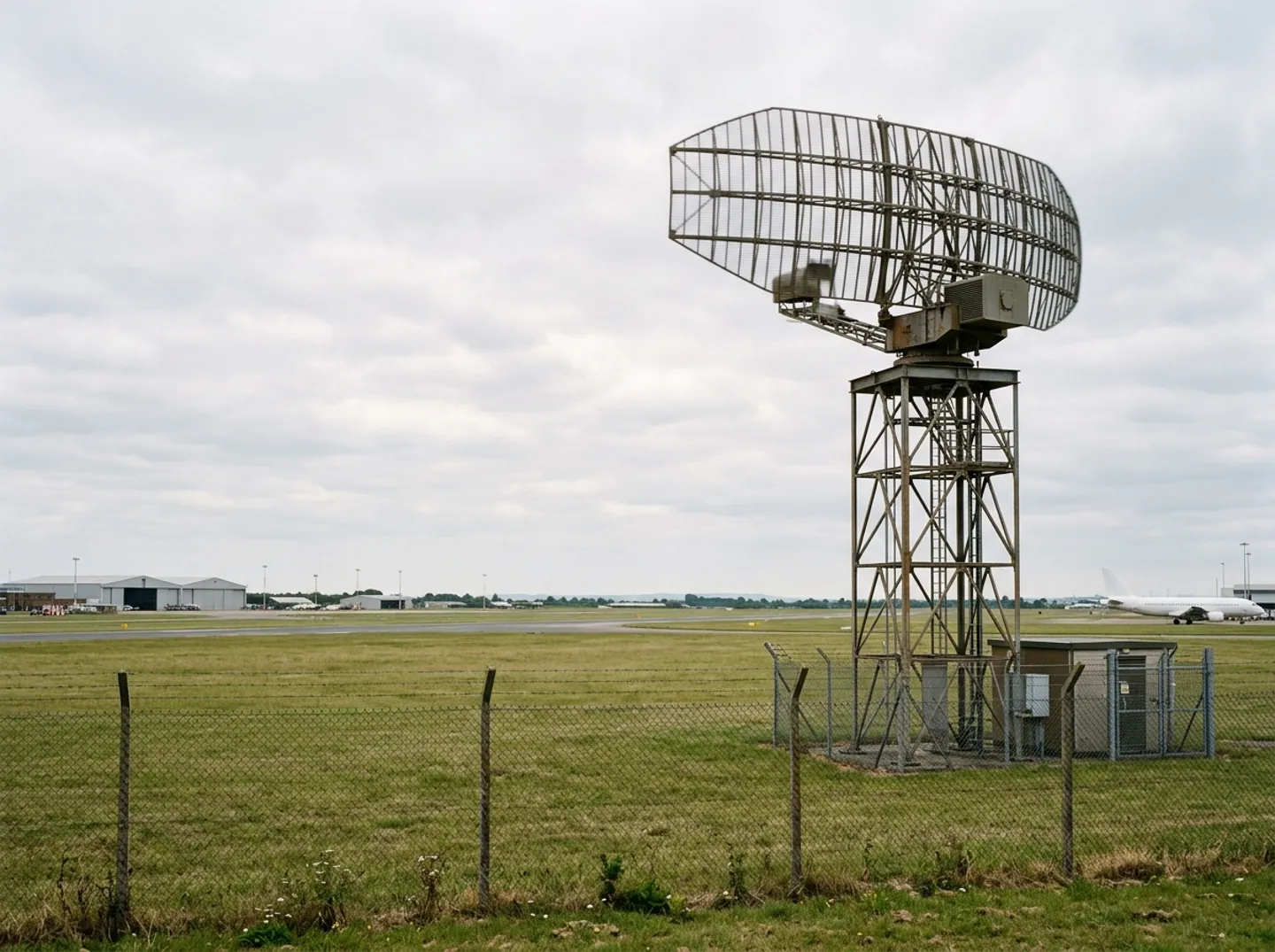
The UK Civil Aviation Authority uses electronic conspicuity as an umbrella term for technology such as Mode S transponders and ADS-B, which help pilots, drone users and air traffic services know what else is flying nearby.
In 2025 the CAA consulted on a technical concept of operations for these devices, and it is working on a possible UK-wide requirement to carry them. A public consultation on that closed on 22 September 2026.
Questions
Automatic Dependent Surveillance-Broadcast. Equipment on the aircraft works out its position from satellite navigation and transmits it, with other information about the aircraft, about once a second.
Primary radar sends out radio waves and times their reflection off an object. With ADS-B, the aircraft broadcasts its own position, which the FAA says allows surveillance in remote areas without radar.
It is the emergency code for a distress or urgency condition. The FAA says it normally triggers an alarm or special indicator at all control positions.
Reception depends on the aircraft's altitude and on terrain in the way, and there are practical limits from transmitter power and receiver sensitivity. Aircraft without ADS-B Out may not show at all.
Not yet. The CAA is working on a possible UK-wide electronic conspicuity requirement and has consulted on it, alongside a technical plan for how the devices should work.
Sources
ABOUT THIS NAME
nastracker.com is part of the DoodleSale portfolio. It isn't in an auction right now, but you can ask about leasing it.